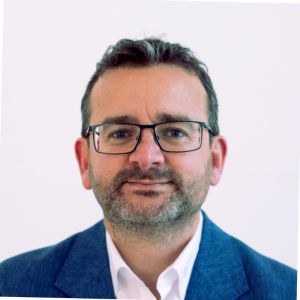




With a sincere belief that sustained investment in drug development is key to uncovering the next generation of antimalarials, Medicines for Malaria Venture is continuing to innovate its R&D pipeline, collaborate with stakeholders, and refine its product development partnership model. Dr Martin Fitchet, CEO, tells us more.
ENDING MALARIA, REWRITING THE FUTURE
Founded in 1999, Medicines for Malaria Venture (MMV) is a leading not-for-profit product development partnership (PDP) dedicated to the discovery, development, and delivery of affordable, innovative antimalarial drugs, particularly for vulnerable populations.
Following recent economic analysis published in a Lancet Global Health study – which revealed 13-fold return in monetised health benefits for every USD$1 invested in MMV – the case for sustained investment in malaria drug development is garnering increased attention.
“Findings of this kind change the tone of the funding conversation,” opens Dr Martin Fitchet, CEO of MMV.
Whilst donors have historically faced competing priorities as drug development can appear a high-risk investment with long timeframes, the economic analysis published in the report allows drug development to be more widely discussed in terms of return on investment (ROI).
“This is ultimately how a lot of funding decisions are made,” Fitchet adds.
These figures, analysing MMV’s impact between 2000 and 2023, tangibly reflect that investing in drug development through the PDP model – which MMV believes to be the most efficient way to bridge the gap in new drugs for malaria – delivers exceptional value, resulting in fewer deaths across high-burden malaria-endemic countries.
“For decision-makers facing difficult budget choices, this kind of independent study matters as it demonstrates credible evidence that provides a basis for multi-year funding commitments that promise sustained and measurable results,” insights Fitchet.
As drug development requires long timelines and steady backing, evidence like this helps make the case for sustained funding so the discovery, development, and delivery of the next generation of antimalarials continues.
TRUST THE PROCESS
With the study accounting for both successful and failed R&D projects undertaken by MMV, Fitchet notes the importance of acknowledging the risks inherent to drug development when advocating for sustained investment.
“It is fundamental to acknowledge these risks as drug development is inherently uncertain. Any robust assessment must account for the fact not every candidate succeeds,” he says.
At the same time, Fitchet points out how failed R&D projects can also be a sign of success.
“If we didn’t have failures, it would mean we were not being ambitious enough.”
As such, analysis that truly acknowledges risk by including the costs of both successful and failed projects is integral.
“We also applied conservative assumptions when estimating realised returns and only calculated the number of deaths averted between 2000 and 2023, not considering future deaths that will be averted from MMV-supported products,” Fitchet reflects.
MMV manages a portfolio of drugs, as opposed to a single drug candidate, which means over the period assessed, it was overseeing the clinical development of more than 45 products – of which just 16 reached the market.
As such, by spreading risk across a diversified pipeline and working in partnership with both public and private actors, MMV is reducing the impact of individual failures.
“Being open and transparent about risk strengthens rather than weakens the case for sustained investment as it corroborates trust in the development process,” he confirms.
“Our aim is to align R&D with evolving epidemiology and country needs. By advancing new compounds and optimised combinations, and by prioritising affordability and access, we seek to protect the effectiveness of current treatments whilst preparing credible alternatives for the future”
Dr Martin Fitchet, CEO, Medicines for Malaria Venture
BROADENING HORIZONS
According to the World Health Organization (WHO) World Malaria Report, malaria cases reached 282 million annual cases in 2024, whilst drug resistance continues to advance in Africa.
As such, MMV is adapting its R&D pipeline to stay ahead of emerging resistance and safeguard the efficacy of current treatments.
“Our focus is on closing the most urgent gaps in treatment. Existing medicines remain effective in many settings, but antimalarial drug resistance is advancing and poses a clear threat to global elimination efforts,” Fitchet warns.
Without sustained investment, MMV faces the risk of losing hard-earned gains – which would, in turn, mean losing many more lives each year.
Together with its partners, the organisation is actively broadening the range of available treatments so programmes are not reliant on a narrow set of options.
MMV has already seen progress in this regard, with Coartem® Baby – the first antimalarial approved to treat newborns and young infants – and ganaplacide-lumefantrine – the first novel-acting non-artemisinin therapy in 25 years which recently completed late-stage clinical trials – both developed with Novartis.
“These are important steps, but our pipeline must continue to innovate as malaria and its risks also adapt,” he outlines.
From discovery through to delivery, the organisation works end-to-end in collaboration with partners across sectors and regions.
“Our aim is to align R&D with evolving epidemiology and country needs. By advancing new compounds and optimised combinations, and by prioritising affordability and access, we seek to protect the effectiveness of current treatments whilst preparing credible alternatives for the future,” Fitchet details.
“Our focus is on closing the most urgent gaps in treatment. Existing medicines remain effective in many settings, but antimalarial drug resistance is advancing and poses a clear threat to global elimination efforts”
Dr Martin Fitchet, CEO, Medicines for Malaria Venture
DISCOVERY, DEVELOPMENT, DELIVERY
In recent years, the strength of PDP models has become clear, particularly when it comes to lowering risk and accelerating innovation – MMV’s own PDP differentiates the organisation from traditional pharmaceutical R&D models.
“Along with other PDPs, we were formed off the back of market failure in delivering necessary lifesaving medicines,” Fitchet informs.
Driven by public health needs as opposed to commercial return, MMV pools both donor funding and industry expertise to coordinate the discovery, development, and delivery of its medicines for a disease that disproportionately affects the poorest communities.
“Our model lowers risk by sharing costs and capabilities and managing a balanced portfolio,” he adds.
Since its inception, MMV – with its pharmaceutical and research partners – has brought forward 19 medicines that were distributed to around 1.48 billion people.
Independent ROI analysis suggests this type of partnership model can deliver strong health and economic value whilst remaining accountable to its funders and the communities it serves.
AHEAD OF THE CURVE
Looking ahead, there are many challenges MMV faces when it comes to sustaining its momentum in the fight against malaria.
“Funding is constrained, cases remain high, and resistance is fast-evolving,” Fitchet exemplifies.
Further to this, drug development cycles are typically long and interruptions to support can delay promising candidates from getting to market.
“This is why positive findings like the ones published are so important – they show material benefits for sustained investment in critical R&D for malaria elimination,” he shares.
Elsewhere, MMV continues to innovate to stay ahead of emerging threats.
“No single organisation can do this alone. We see MMV’s role as convening private and public actors to ensure innovation is aligned around shared public health goals and treatment reaches those most at risk,” Fitchet assesses.
This includes working with both academia and industry to recognise their need to protect intellectual property, whilst negotiating terms that allow new medicines to be supplied through public sector channels at affordable prices – typically on a no-profit, no-loss basis.
“Sustained commitment from governments, industry, and funding partners is therefore vital to continue to build on the important groundwork,” he passionately concludes.
This article was produced by the editorial team at Healthcare Outlook and published as part of the Outlook Publishing global network of B2B industry magazines.
Outlook Publishing delivers industry insights, company stories, and sector coverage across healthcare, manufacturing, supply chains, construction, mining, food production, and sustainability.
Healthcare Outlook provides ongoing coverage of organisations and developments shaping the global healthcare industry.